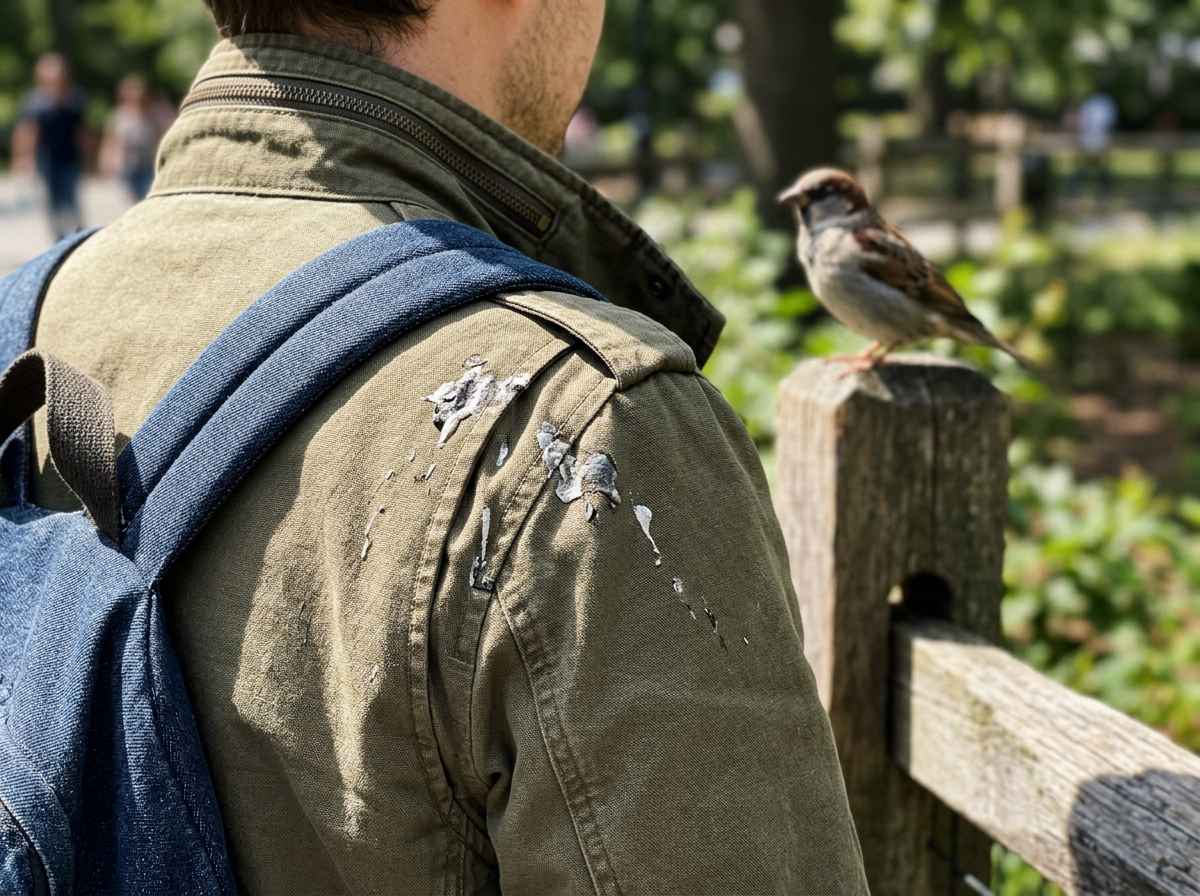
When a bird poops on your car, most people react in one of two ways: they groan and grab a paper towel, or they pause and wonder if it means something. Honestly, both reactions make sense. This event sits at a funny intersection of folklore, ornithology, and automotive chemistry, and there are genuinely useful things to know on all three fronts. Let's get into all of it, starting with what people actually mean when they search for the "meaning" behind this.
Bird Pooping on Car Meaning Spiritual and Practical Steps

Marcus Holloway
22 Mar 2026
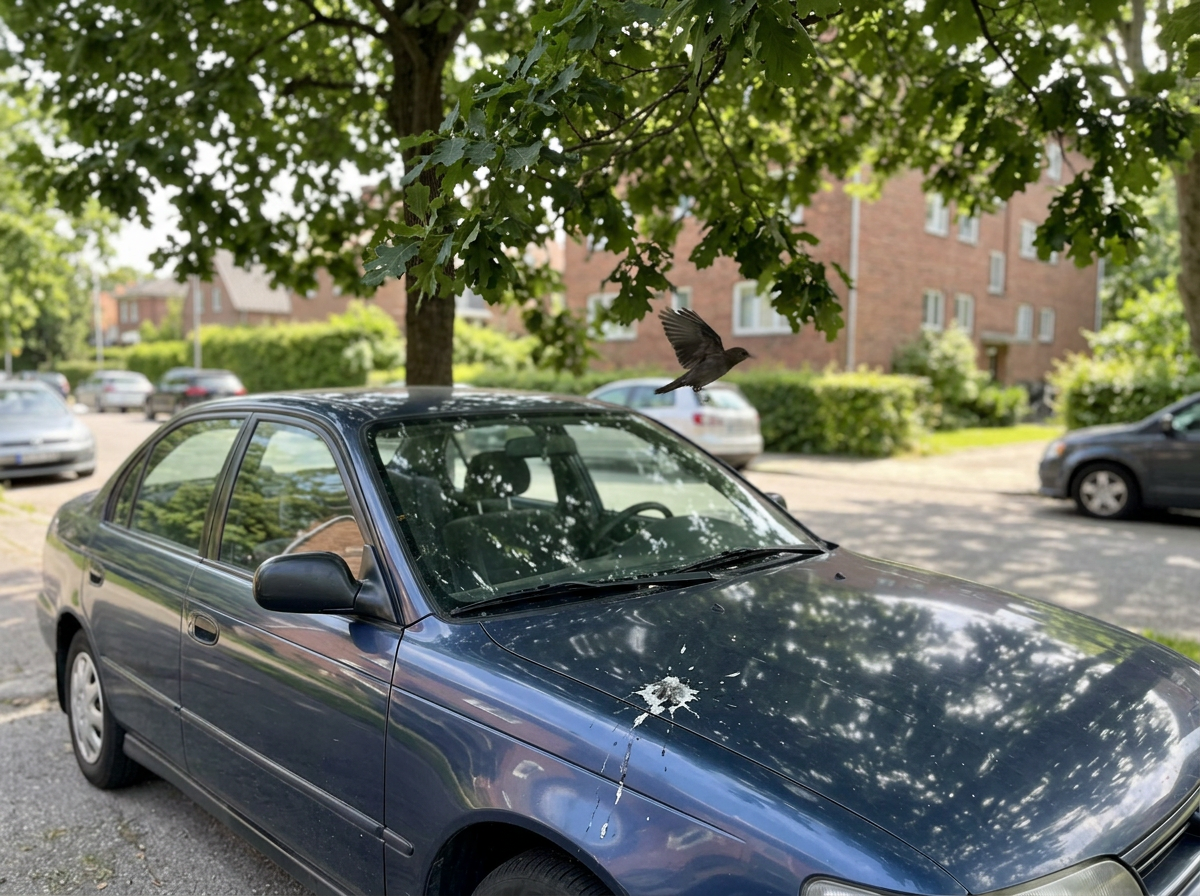
What people mean when they ask about "bird pooping on car"
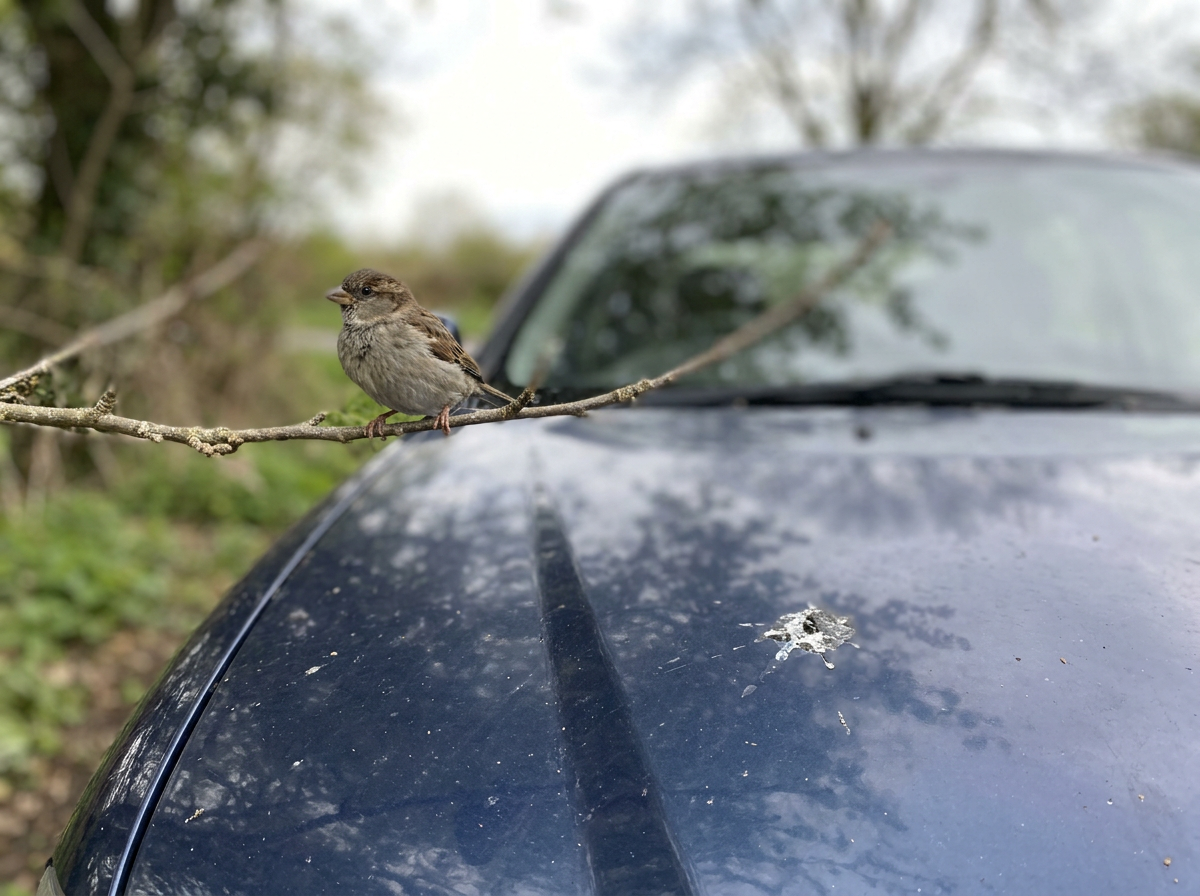
Most people searching this phrase are asking one of two slightly different questions. Either they want to know if there's a cultural or spiritual interpretation attached to this event, or they want practical advice on cleaning it up and preventing it from happening again. A smaller group is asking both at once, which is exactly the position this article is designed for.
The short version: yes, there are widely shared folk beliefs and spiritual readings attached to a bird dropping on your car specifically. No, none of them are backed by formal religious doctrine in most traditions (we'll cover the Islamic perspective on this separately, since it's the clearest exception). And yes, the practical side, cleaning the droppings off safely before they etch your paint, is genuinely urgent and worth taking seriously.
It's also worth noting that the "car" detail doesn't change the symbolism much in most folk traditions. The interpretations people assign to bird droppings landing on a car are largely borrowed from the broader superstition around bird droppings landing on a person or their belongings. The car just gives the event a modern, everyday context that makes people pause and wonder.
The spiritual meaning: what different traditions say
Folk interpretations of bird droppings landing on something you own vary a lot by culture, but the most commonly repeated one in English-speaking contexts is actually positive: bird pooping good luck It must mean something. The universe chose you. Something good is coming.
But that's not the only reading. Other folk traditions treat the event as a warning, a nudge to pay attention to something in your life, or a prompt to reflect on a decision you've been putting off. The meaning often shifts depending on context people layer onto it: what time of day it happened, how many times it's occurred recently, which part of the car was hit, or even which species of bird was responsible. None of that is documented in any formal religious or scholarly text as a system, but it is the folk grammar people use to interpret these moments.
A few of the most common symbolic readings you'll encounter:
- Good luck or financial gain incoming: one of the oldest and most widespread interpretations, particularly in Western and some Eastern European folk belief
- A message or personal confirmation: some people read it as a sign they're on the right path, especially if they were already thinking about a big decision
- A reminder or warning: in some traditions, repeated incidents suggest you should slow down and take stock of something in your life, whether that's health, finances, or a relationship
- A "gift from above": some spiritual frameworks (loosely tied to animism or nature-based belief) treat birds as messengers between the human and spiritual worlds, making any contact, even an unpleasant one, symbolically loaded
It's worth saying clearly: these are interpretations people find meaningful, not prophecies. The symbolism is user-generated in the sense that you bring your own context to it. If you were already thinking about quitting your job when the pigeon struck, the event might feel significant. If you were just running errands and thinking about nothing in particular, it probably just felt gross. The meaning, if any, lives in that intersection.
What Islam actually says about bird omens
Because "bird poop on car meaning Islam" is a common related search, it's worth addressing directly. Islam has a well-defined position on this, and it's more grounded than most Western folk takes. The concept of tatayyur (also written tiyarah) refers to the pre-Islamic Arabian practice of taking omens from birds, including observing which direction a bird flew or whether a bird dropped something. Islamic scholarship consistently classifies tatayyur as a form of superstition that Islam explicitly abolished.
The Quran itself uses a form of the word in verse 36:18, where a community says "we take a bad omen from you" (taṭayyarnā), but this is descriptive of their disbelief, not an endorsement of omen-taking. The Islamic position, across multiple scholarly sources, is that no bird dropping, landing, or flight pattern carries a spiritual message or portent. Assigning meaning to such events is considered a departure from tawakkul (trust in God) and is actively discouraged. So if you're coming to this question from an Islamic background, the answer is clear and consistent: there's no meaningful omen here.
Why it actually happens: the ornithology side
Here's what's actually going on when birds keep hitting your car. It's not random, and it's definitely not targeted, but there are real behavioral and environmental reasons some cars get hit far more often than others.
Birds roost in patterns. Once a bird finds a perch it likes, including a tree branch directly above a parking spot, a utility wire, or a rooftop overhang, it returns to that spot repeatedly. If your car is parked under or near that roost regularly, you're simply in the drop zone. It's a location problem, not a cosmic one.
The species most commonly responsible in parking lots and urban environments include pigeons, European starlings, house sparrows, and (in some regions) crows or grackles. Pigeons are especially prolific because they're highly social roosters and tend to congregate in large groups near structures. Starlings form murmurations and can hit multiple cars simultaneously. Sparrows are opportunistic and quick, often nesting in the eves and gutters of nearby buildings.
A few specific factors that increase the odds your car gets hit:
- Parking under or near trees, especially fruiting trees (birds eat, birds poop, often in sequence)
- Parking near utility wires, rooftops, or ledges where birds regularly perch
- Parking in the same spot repeatedly, which aligns your car with an established roost location
- Bright or reflective car colors, which some research suggests may attract certain birds (though this is less documented than the roost-proximity factor)
- Leaving your car parked for long stretches during high bird-activity hours (early morning, late afternoon)
The bird isn't choosing your car over your neighbor's out of malice or cosmic intent. It's just in the wrong place relative to where the birds already are. Understanding that makes the prevention step a lot more practical.
How to think about the "meaning" without spiraling
If you're someone who finds meaning in unexpected events, there's nothing wrong with pausing to reflect when a bird drops on your car. If you're someone who finds meaning in unexpected events, there's nothing wrong with pausing to reflect when a bird drops on your car. The human instinct to look for patterns and signals is ancient and, in the right context, useful. The key is staying in control of the interpretation rather than letting it control you. bird droppings on head meaning
Here's a practical frame: treat it the way you'd treat any unexpected interruption. bird poaching meaning Ask yourself if there's something you've been putting off thinking about, a decision, a conversation, a change you know you need to make. If something comes to mind immediately, the bird dropping didn't cause that thought; it just gave you a moment of pause that surfaced it. That's actually a useful function, even if the mechanism is a pigeon and not the universe.
What I'd caution against is attaching a fixed, specific meaning before you've even sat with it. Reading that bird droppings mean "financial gain is coming" and then spending the next week expecting a windfall is how superstition stops being useful and starts being misleading. Pigeon striking is how superstition stops being useful and starts being misleading. bird poops on you meaning But treat them as lenses, not instructions.
Clean it now: how to remove bird droppings without damaging your paint
This part is genuinely urgent if the dropping is fresh or has been sitting in the sun. Bird droppings contain uric acid, which typically sits around pH 3 to 4.5, making it highly acidic. That acid starts chemically attacking your car's clear coat almost immediately, and with heat and sunlight accelerating the process, you can see real etching or paint spotting within 24 to 48 hours. Don't wait.
What you'll need
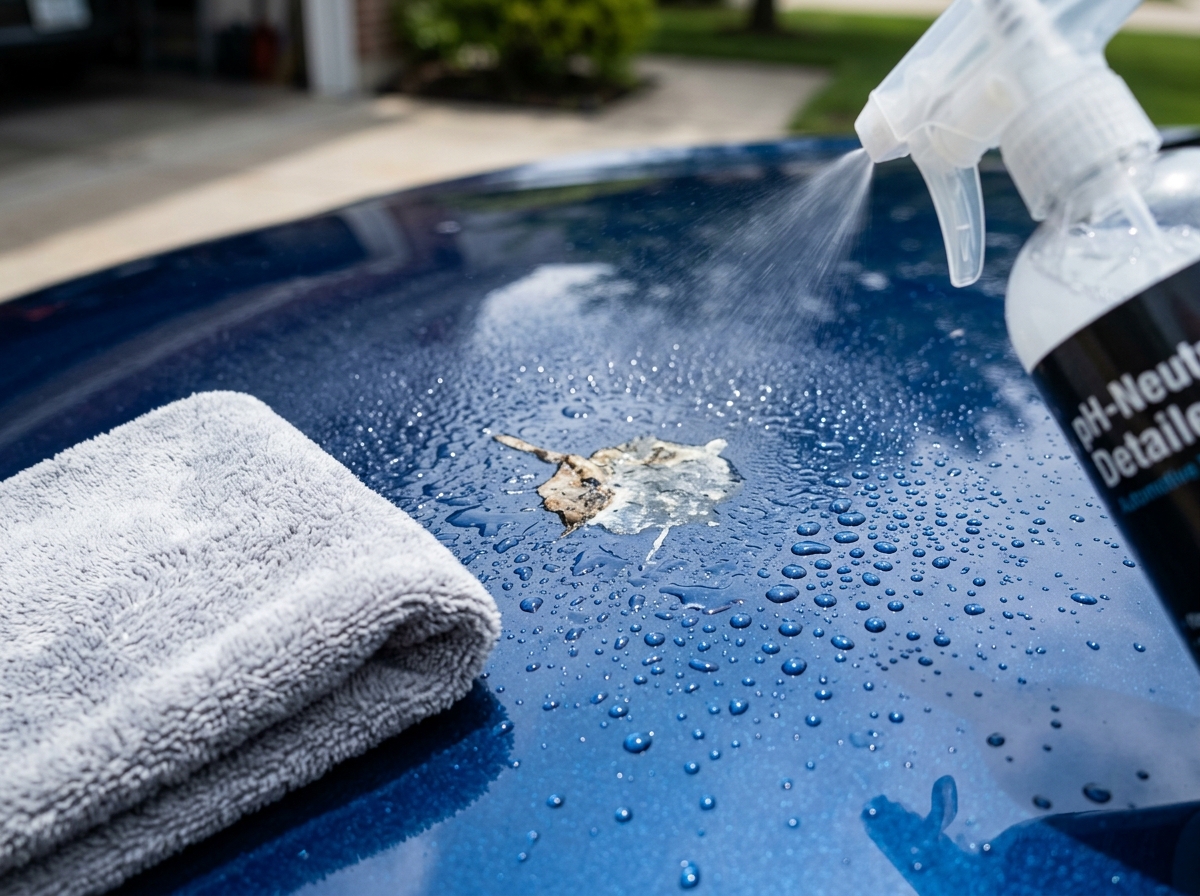
- Clean microfiber cloths (multiple, never paper towels or shop rags)
- Water (for soaking/softening)
- A dedicated bird dropping remover or a pH-neutral automotive quick detailer
- A standard automotive wash bucket and car soap for follow-up
- Optional: a spray bottle for controlled application
Step-by-step removal
- Soak first, always. Wet the dropping thoroughly with water or spray it with a quick detailer. Let it sit for 30 to 60 seconds. Never scrub a dry dropping, because you'll grind the grit and hardened material directly into the clear coat.
- Gently lift, don't rub. Use a clean microfiber cloth to lift and pat the softened dropping away. Work from the outside edges inward to avoid spreading it.
- Apply a bird dropping remover or quick detailer if needed for stubborn residue. These products are formulated to break down the uric acid without harming coatings. Some ceramic waterless detailers also work well on glass, plastic, and paint simultaneously.
- Rinse the area with clean water to remove all residue.
- Follow with a normal hand wash of the affected panel if the dropping was large or had dried at all.
- Inspect for etching. If the paint looks hazy, dull, or feels rough after drying, the acid may have already done some damage. At that point, a light polish or a visit to a detailer may be needed.
What not to do
- Don't use paper towels: they're too rough and can create swirl marks in clear coat
- Don't use household glass cleaners or harsh chemical sprays: they can strip wax or damage coatings
- Don't scrub dry droppings: this is the single biggest cause of micro-scratches from bird dropping removal
- Don't wait: time and heat dramatically increase etching risk, especially in direct sunlight
- Don't touch bird droppings with bare hands if you can help it: droppings can contain bacteria and parasites, so gloves are a smart precaution
Preventing it from happening again
Once you've cleaned the car, the next question is how to make this less of a recurring problem. The honest answer is you can reduce the frequency significantly with smart choices, but you can't guarantee zero incidents, especially if you live in an urban environment with established bird populations.
Parking and location strategies
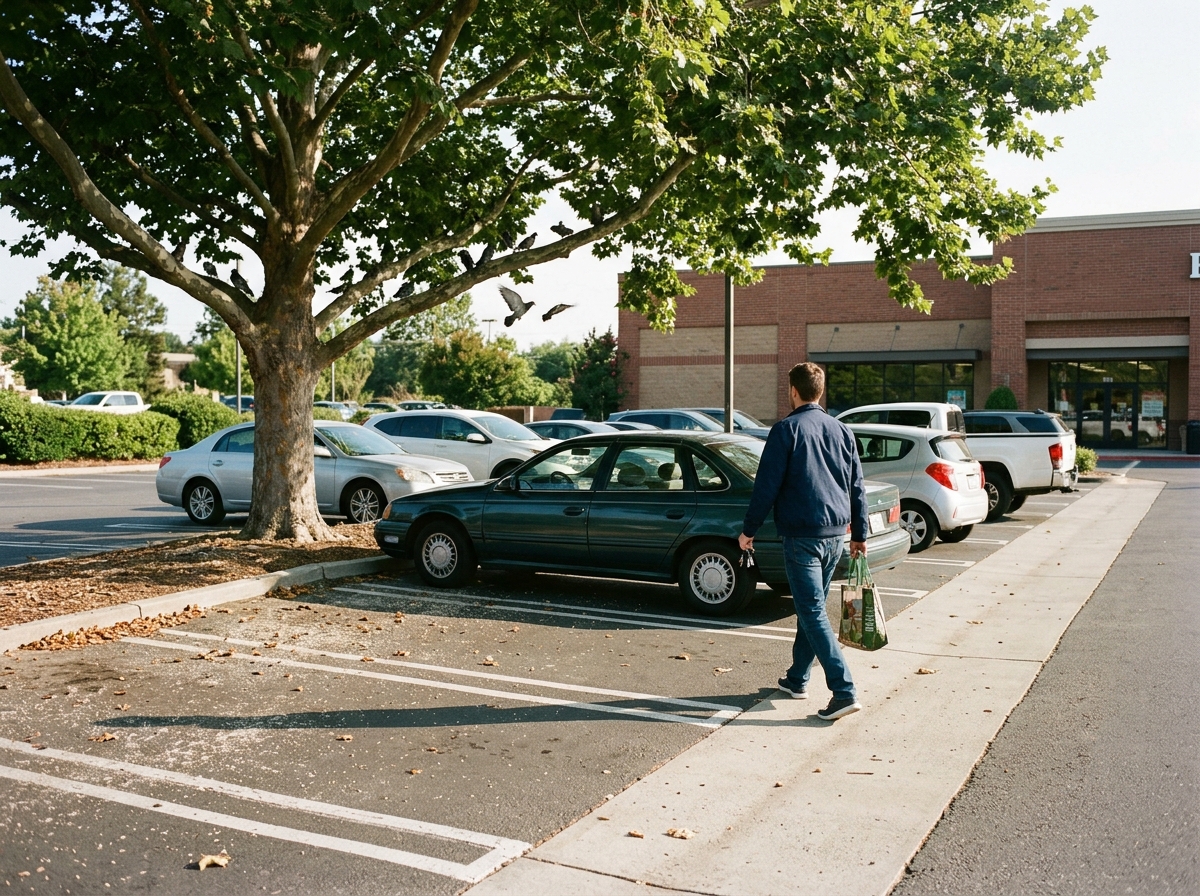
The single most effective thing you can do is change where you park. Avoid spots directly under trees, near utility wires, or adjacent to building ledges and rooflines where birds congregate. If you use a parking structure, try to park on an interior level rather than on the roof or top deck, which tends to be a prime landing zone. In a lot with established bird activity, the far end away from trees is almost always better than the shady, convenient spot near the tree line.
Physical deterrents
If birds are roosting on or near your car's regular parking location, physical deterrents can help at the roost level. Bird spikes installed on ledges, rails, or fence posts near your usual spot prevent landing. Netting over a carport or covered area creates a physical barrier. Reflective tape or visual deterrents (like predator decoys) have mixed effectiveness and tend to work better short-term before birds habituate to them, so rotation and maintenance matter.
One important legal note: many bird species in the U.S. are protected under the Migratory Bird Treaty Act, which means that "controlling" them through harmful methods is not legally permitted. All deterrence should be humane, targeting perching and roosting behavior rather than the birds themselves.
Car covers and protective coatings
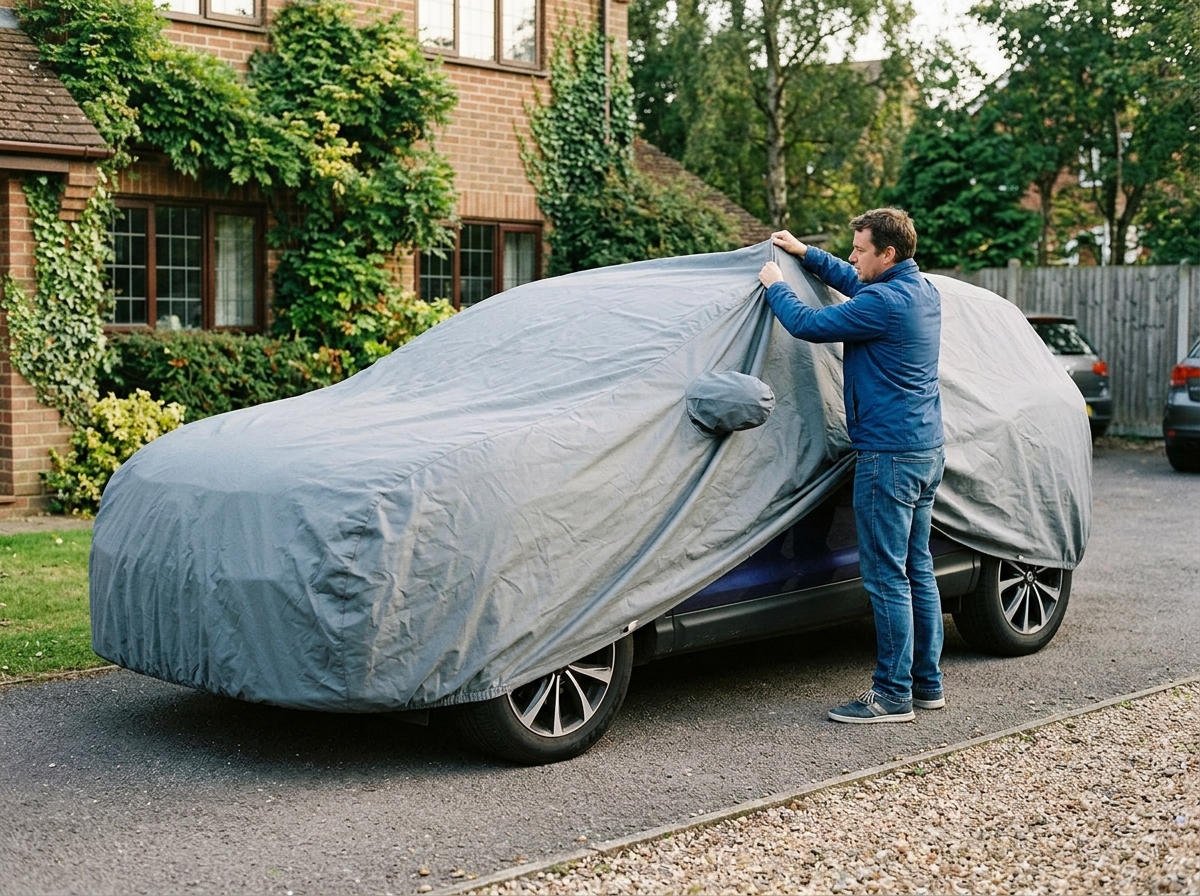
A quality car cover is a highly practical solution if you park in a known problem area regularly. It protects paint entirely from droppings and simply needs to be shaken out rather than having your clear coat treated for acid etching. For long-term protection, paint protection film (PPF) or a professional ceramic coating creates a sacrificial barrier over the clear coat, reducing the rate at which uric acid can reach the paint. These coatings won't make droppings harmless, but they significantly reduce etching risk and make cleaning easier. If you go this route, follow the manufacturer's guidance on curing times before washing, since some products require a window of 24 to 72 hours after application before the first wash.
Timing your parking
Birds are most active and most likely to be perching near your car during early morning and late afternoon. If your schedule allows flexibility, moving your car away from a known roost zone during those windows reduces exposure. This is obviously not always practical, but it's worth knowing if you're dealing with a persistent problem in a specific location.
| Prevention Method | Effectiveness | Cost/Effort | Best For |
|---|---|---|---|
| Change parking location | High | Low (just move the car) | Anyone with flexible parking options |
| Car cover | High | Low-Medium (one-time purchase) | Regular parkers in high-bird areas |
| Bird spikes on nearby perches | Medium-High | Medium (installation required) | Fixed parking spots like driveways or carports |
| Reflective/visual deterrents | Low-Medium (habituates fast) | Low | Short-term or rotating use |
| Ceramic coating or PPF | Medium (reduces etching, not incidents) | High (professional application) | Long-term paint protection investment |
| Netting over covered parking | High | High (structural installation) | Garages, carports, permanent structures |
The bottom line on prevention: the biggest return for the least effort is simply where you park. Everything else is supplementary. If you can park away from trees, wires, and established roost spots, you'll cut the frequency of incidents dramatically without spending a dollar.
FAQ
How fast do I need to clean bird droppings off my car to prevent paint damage?
Wait until the droppings have cooled and gently rinse with cool or lukewarm water first, then wash with a pH-balanced car shampoo. Avoid using hot water, abrasive sponges, or scraping with a dry rag, since fresh uric acid can smear and increase paint wear. If you catch it quickly, a thorough rinse is often the difference between a clean removal and visible spots later.
If I cleaned it, can bird poop still ruin my paint?
It is possible, but it usually takes either repeated hits or a longer delay in cleaning. Once etching starts, basic washing may not fully remove the damage. In that case, options include a mild polish to level the clear coat surface, or professional correction if spotting is deep. If the area is rough to a fingernail after cleaning, treat it as clear-coat damage rather than just dirt.
Is bird poop on a car dangerous to handle or clean?
Yes, but the more immediate risk is uric acid damaging the clear coat, not germs. Still, use gloves and avoid wiping your eyes or mouth while cleaning. Afterward, wash hands with soap and water. Don’t let droppings dry on the paint, because drying can make removal harder and can worsen spotting.
What should I do if bird droppings happen and I cannot clean the car immediately?
If you cannot address it right away, cover the affected area loosely with a clean car cover or a temporary protective barrier to reduce sunlight and drying. When you return, remove the cover and rinse thoroughly before scrubbing. Avoid leaving it under direct sun for long stretches, because heat speeds up etching even if you do your best to clean later.
Do reflective tape or bird scare devices actually work long-term on cars?
Not always. Some species, like pigeons, can be harder to deter with visual tricks alone because they habituate. Reflective tape or decoys may work short-term, but if you use them, rotate their placement or replace them regularly so the birds do not learn the pattern. For stubborn areas, physical barriers and covering options tend to be more reliable.
Why does it keep happening at the same parking spot, even if there are no birds visible?
Don’t assume every hit indicates “more birds.” A single roost or ledge above your usual parking spot can produce repeated drops. Check whether birds are landing on a nearby overhang, gutter line, or wire, then address the landing and perching surfaces rather than trying to chase birds away each time.
Are there different cleaning steps for bird poop on windows or headlights?
If the droppings are on glass, use a glass-safe cleaner and wipe in straight passes, then re-wash with clean water to prevent streaking. On headlights, be extra careful because some headlight plastics scratch and haze more easily than clear coat. For those, use gentle microfiber and avoid harsh abrasives.
What deterrents are legal and safe to use if birds keep targeting my car?
Yes. Under U.S. law, many common birds are protected, so harmful control methods can create legal risk. Stick to humane deterrence that targets perching and roosting behavior, like covers, netting, spikes, and changing where you park. If you rent, ask the landlord about permitted, non-harmful installations.
If birds poop right after I clean the car, what does that mean and what should I do?
If you notice new droppings landing shortly after cleaning, it can mean the roost is still active, not that your cleaning “caused” more birds. To break the pattern, change the parking position during peak times, use a car cover in that area, and consider a barrier at the roost level near your usual spot.
Is a car cover worth it, and can it cause any problems?
A car cover that fully fits and is secured helps most because it blocks droppings from reaching the paint. If you use a cover, shake it off carefully before removing it from the car so you do not drag dried material across the surface. Choose breathable covers to reduce moisture retention and avoid condensation stains.
Do ceramic coatings or PPF fully prevent bird poop etching?
Paint protection film (PPF) and ceramic coatings help by providing a sacrificial or easier-to-clean layer, but they are not permanent solutions. PPF can reduce spotting and make removal easier, yet you still need to rinse promptly. With coatings, follow the product’s cure time before washing, and expect the protective effect to diminish over years rather than months.
How can I tell whether it’s a localized roost problem versus random bird behavior?
If you suspect a specific vehicle area is being hit repeatedly, take photos before and after cleaning to track whether spotting is getting worse. Then do a practical test: park in a different nearby location for a week and compare incidence frequency. If incidents drop sharply, you likely have a localized roost issue rather than a “random” problem.
Next Article
Bird Poops on You Meaning: What It Likely Means and What to Do
Bird pooped on you meaning, grounded causes, cleanup steps, health tips, and folklore options for on you or on your head