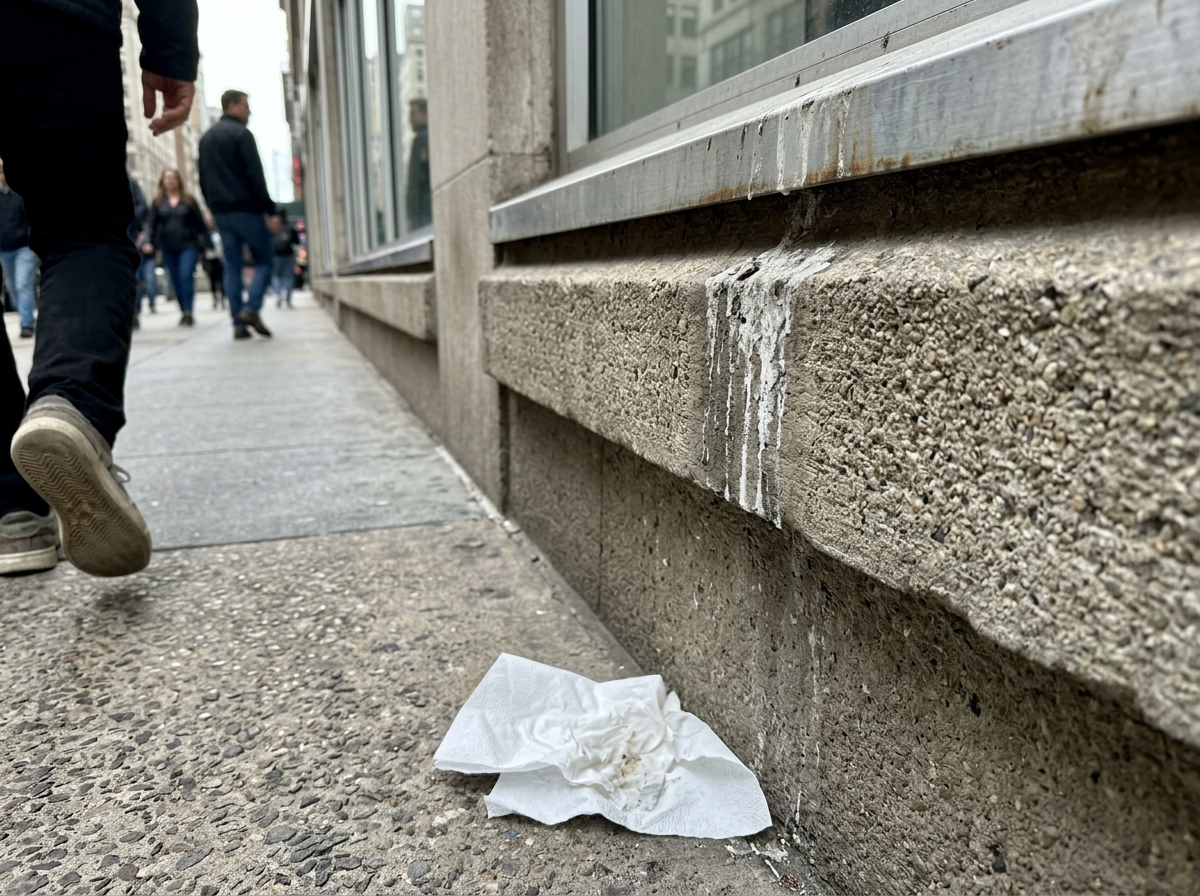
Bird poop on your car meaning means one of two things depending on who you ask: a small stroke of good fortune sent from above, or a chemical attack on your clear coat that you have roughly 24 to 48 hours to stop. Both answers are genuinely worth knowing, and this guide covers both. Whether you searched for the symbolic angle, the practical one, or you are not entirely sure yet, you will find a clear path forward here. bird poaching meaning
Bird Poop on Car Meaning: Spiritual, Superstition, Cleanup Tips

Marcus Holloway
22 Mar 2026
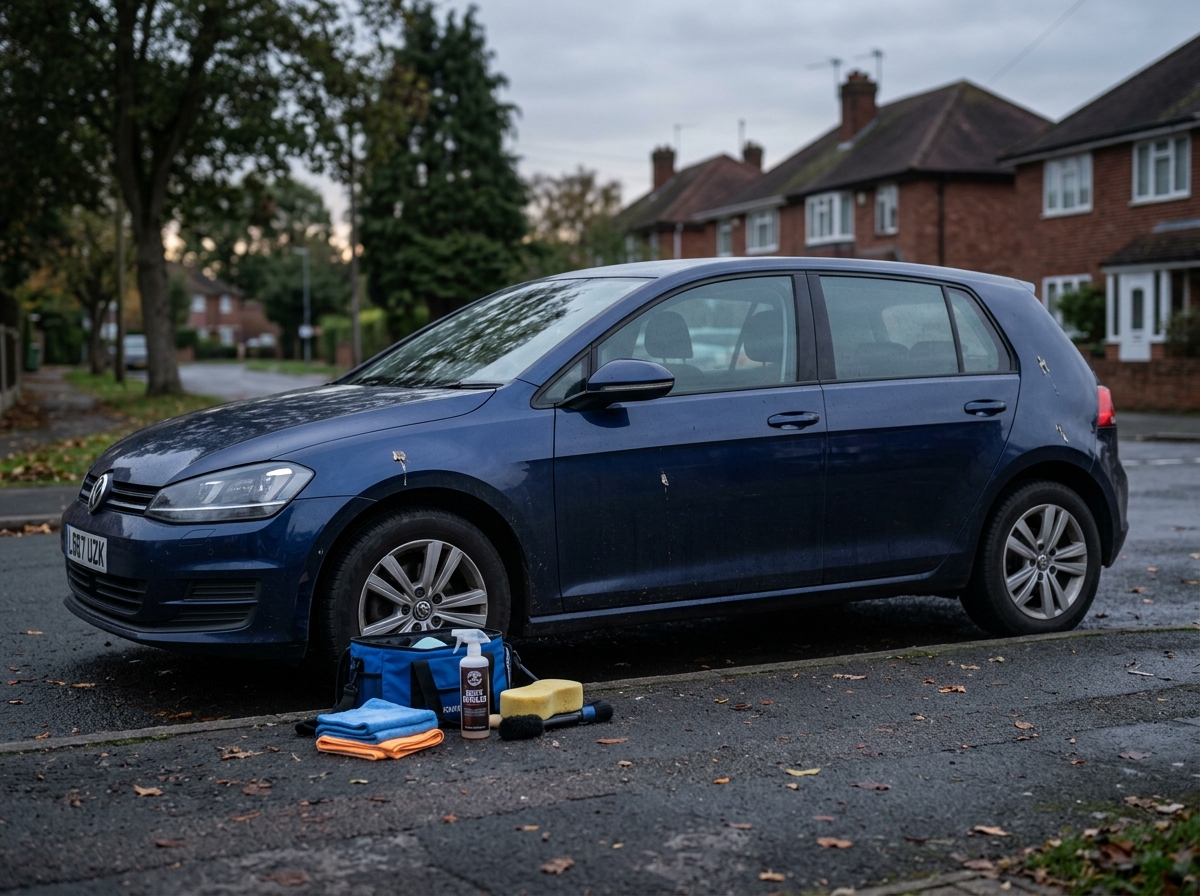
Fast answer: the "meaning" question vs. the real-world cause
Most people who type "bird poop on car meaning" want one of two things. Either they want a symbolic or spiritual reading (is this a sign? good luck? a message?), or they want to know whether their paint is ruined and what to do next. Those are very different questions, and it helps to separate them right away.
The symbolic meaning is folklore, not doctrine. No major world religion formally declares bird droppings sacred or profane. What you find online, and in many traditions passed down informally, is a cluster of folk beliefs: the drop was unexpected, it came from the sky, so it carries luck. That idea shows up across many cultures and languages. It is a human pattern-making response, not a religious rule, and it is worth taking seriously on its own terms without overstating its authority.
The real-world cause is much simpler: a bird flew over your car, perched above it, or roosted near it and left behind a dropping. Birds choose perches based on vantage points, warmth, and safety, not based on which cars belong to people who need a financial windfall. The dropping landed on your car because of geometry and timing, full stop. That does not make the symbolism meaningless if it resonates with you, but it does help calibrate expectations.
Spiritual symbolism: good luck, omens, and what the superstition actually says
The most widely repeated interpretation in English-language folk belief is that bird poop on your car (or on you directly) signals incoming good luck, often framed as unexpected financial gain or "a gift from the sky." You will hear this from grandmothers, from superstition-focused websites, and occasionally from people who swear it came true. The logic, such as it is, goes like this: the event is random, unpleasant, and uncontrollable, so culturally it becomes reframed as a cosmic joke with an upside, a bit of humble luck to balance out the inconvenience.
Some interpretations extend this further, reading it as a sign of movement, change, or progress in your life. Birds have long symbolized freedom, transition, and communication between worlds in folklore and literature across many traditions. If you are already thinking through the bird symbolism angle, you might find our articles on bird pooping good luck and bird poop on you meaning useful for the fuller picture of how these belief frameworks operate.
Where this gets interesting, and where this site tries to be honest, is the distinction between folklore and fact. These interpretations are cognitive: humans are exceptionally good at finding meaning in random events. A psychologist would call it apophenia, seeing patterns where none are causal. That does not make the tradition valueless. Folklore gives people a way to process surprise and inconvenience. But it is worth knowing that the "good luck" reading is not backed by any formal religious or academic authority. It is a shared story, and shared stories matter, just not in the way a weather forecast does.
Location and context: does it matter where on the car it landed?
Symbolically, some people do read location as meaningful. A dropping on the windshield (your literal point of view while driving) gets interpreted as a message about your path or direction. One on the hood is sometimes read as related to your forward momentum or ambitions. These are informal folk readings, extensions of the same good-luck tradition, not standardized interpretations you will find in any one canonical source. If you are drawn to that angle, treat it as a personal reflection prompt rather than a fixed rule.
Practically, location matters a great deal more than symbolism suggests. Here is what each scenario actually means for your car:
- Windshield or glass: Glass is far more resistant to acid etching than painted surfaces or clear coat. A dropping on your windshield is less urgent from a damage standpoint, though it can smear badly when you run your wipers and make visibility worse. Clean it before driving.
- Hood, roof, or trunk: These are the horizontal panels that bake in direct sun, which dramatically speeds up how fast uric acid works into the clear coat. Drops here are the highest priority.
- Door panels or side mirrors: Slightly less urgent because they get less direct sun, but still worth cleaning the same day.
- All over the car: If multiple birds have been roosting above your car regularly, you may already have compounding exposure. Assess for etching (see the section below) before assuming it is just cosmetic.
- Noticed while driving: If a bird drops on your windshield while you are moving, resist the urge to smear it with your wipers until you can add washer fluid. Dry wiping spreads the mess and can grind seeds or grit from the dropping into the glass.
The reason horizontal panels matter most is not mystical at all. It is physics: heat. As the sun warms a painted surface, the clear coat expands slightly, and acidic material sitting on top of it can work its way in more easily. In hot weather, this process is fast enough that detailing professionals describe every hour as counting against you.
Does bird poop actually damage car paint? How to assess etching and staining
Yes, bird droppings can cause real, sometimes permanent paint damage. Bird droppings contain uric acid, with a pH typically cited in the range of 3.5 to 4.5, which is genuinely acidic, roughly in the range of vinegar or black coffee. That acid, combined with enzymes and organic material in the dropping, can chemically etch into automotive clear coat, particularly when the car sits in sun and heat accelerates the reaction.
Research into automotive clear coat degradation confirms that bird-dropping analogs can cause measurable etching under UV and weathering conditions. Nissan's own paint guide explicitly warns that aggressive substances in bird droppings can cause permanent paint damage and that regular washing is the best prevention. The industry consensus is that damage can begin within 24 to 48 hours if a dropping is left untreated in warm or sunny conditions.
How to tell if the damage is already done
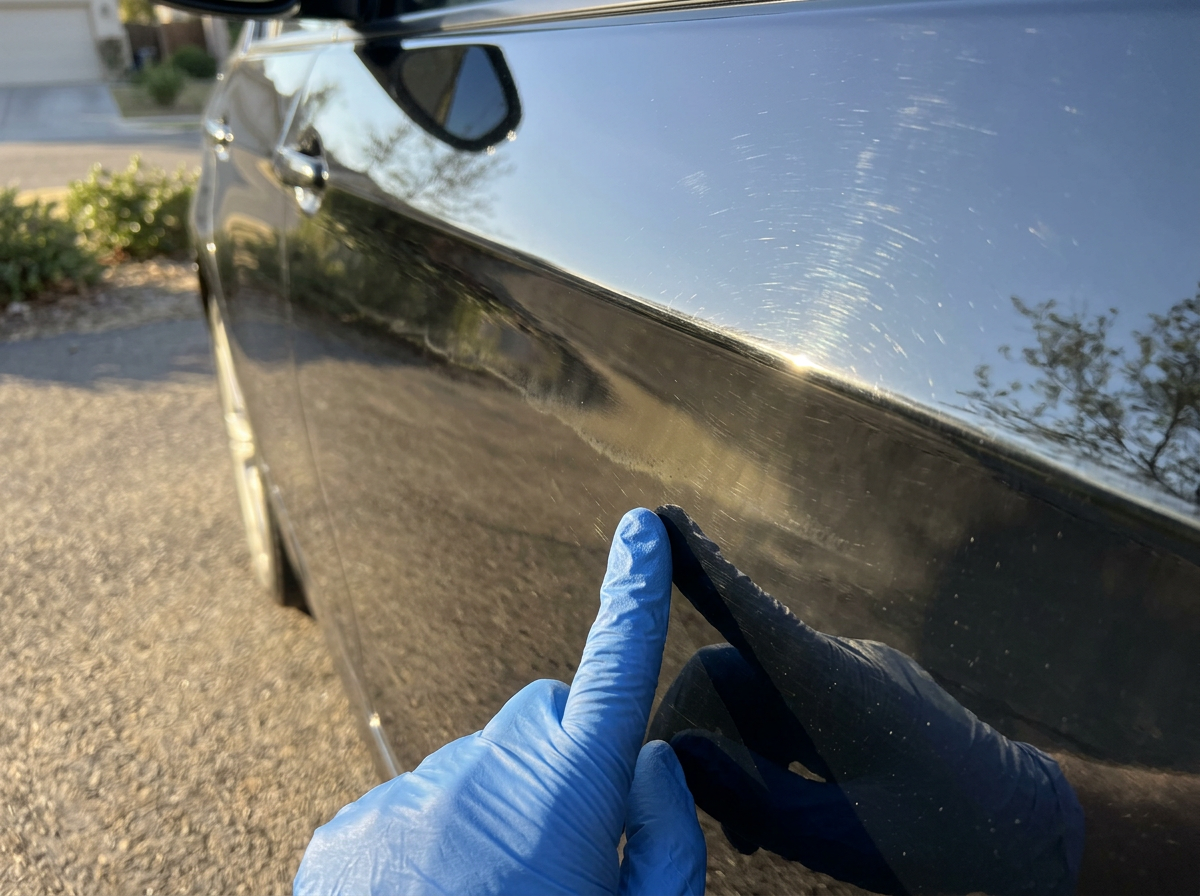
After you have cleaned off the dropping (more on how below), inspect the area under good light, ideally sunlight at an angle. Here is what to look for:
- Staining (discoloration): The paint looks slightly off-color or tinted where the dropping was. This is usually surface contamination and may respond to polishing or a dedicated paint cleaner.
- Etching (texture change): Run your clean fingertip lightly over the spot. If it feels slightly rough, textured, or has a dull ring or crater shape, the clear coat has been chemically altered. This is more serious and may need machine polishing or professional correction.
- Grouped spots on horizontal panels: Nissan's paint guide notes this pattern is typical of chemical exposure on horizontal surfaces. If you see clusters of dull rings or craters, you are looking at etch damage rather than just staining.
- Smearing or hazing on glass: If you already ran your wipers over a dropping on the windshield, you may have a hazy smear. This usually cleans off with glass cleaner, but if the glass feels rough in that spot, it may have been lightly etched.
Light staining on paint can often be addressed at home. Actual etching into the clear coat, where the surface texture has changed, usually requires cutting and polishing, and severe etching may need professional attention. The earlier you clean, the more likely you avoid that situation entirely.
How to clean bird poop off your car safely
The single most important rule: do not scrub a dry dropping. Bird droppings often contain seeds, sand, or grit, and dragging those across your paint without lubrication is a good way to add scratches on top of whatever acid damage may already be happening. The method is always: hydrate first, then remove gently.
For fresh or recent droppings on painted surfaces
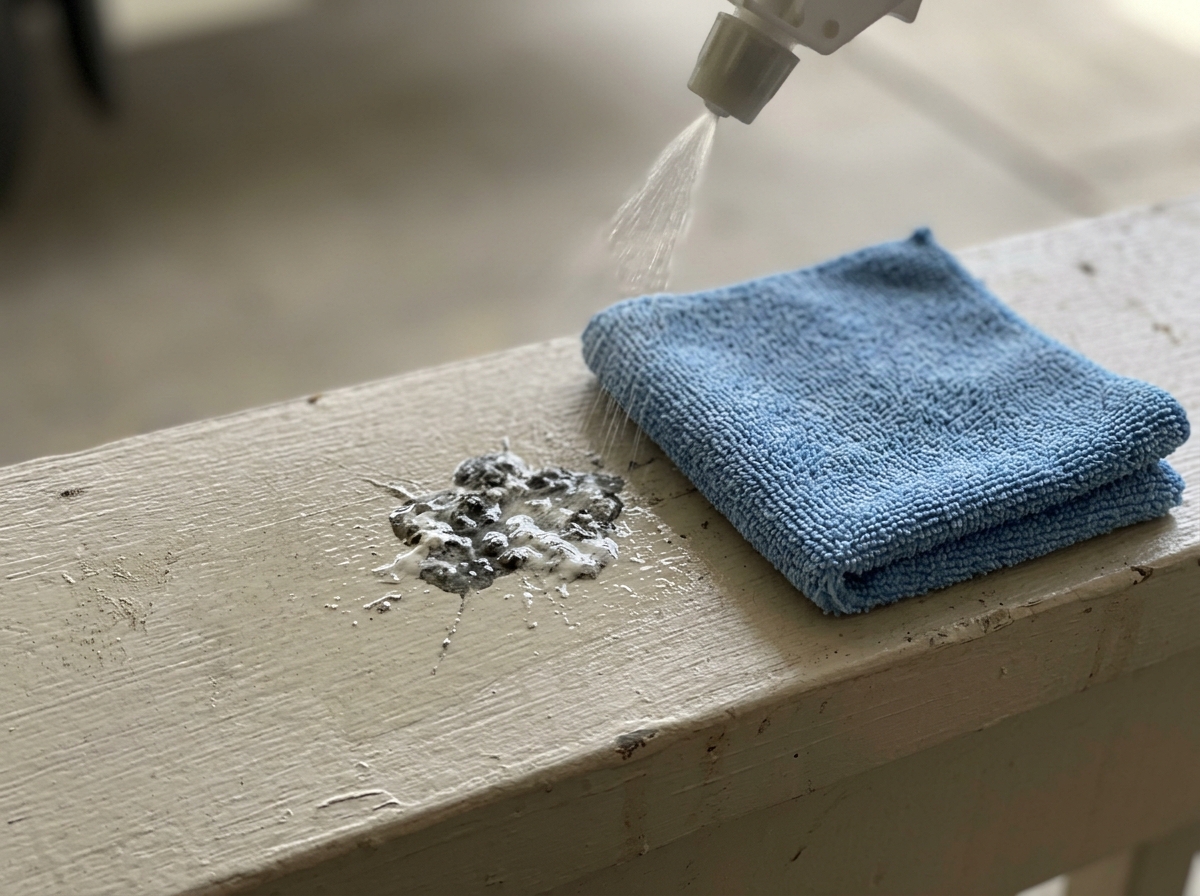
- Wet the dropping thoroughly with water or a quick-detailer spray. Let it soak for at least 30 to 60 seconds so the material softens.
- Fold a clean microfiber towel to a fresh section and blot (do not wipe) the softened dropping away. Lift, do not drag.
- Once the bulk is gone, spray again and wipe gently with light pressure in one direction.
- Follow up with a rinse or a panel wipe to remove any remaining residue.
- Inspect the area under angled light once dry.
For stuck-on or dried droppings
A dropping that has baked onto the surface in sun needs more dwell time. Dedicated bird dropping removers (products like Splatt or Armor All's insect and bird dropping remover) are formulated to break down the organic material quickly. Spray, let sit for about a minute, then remove gently. Both product types instruct against letting the remover itself dry on the surface, so work in the shade and move efficiently. Do not use petroleum-based solvents or harsh household cleaners on painted surfaces.
For droppings on glass (windshield or windows)
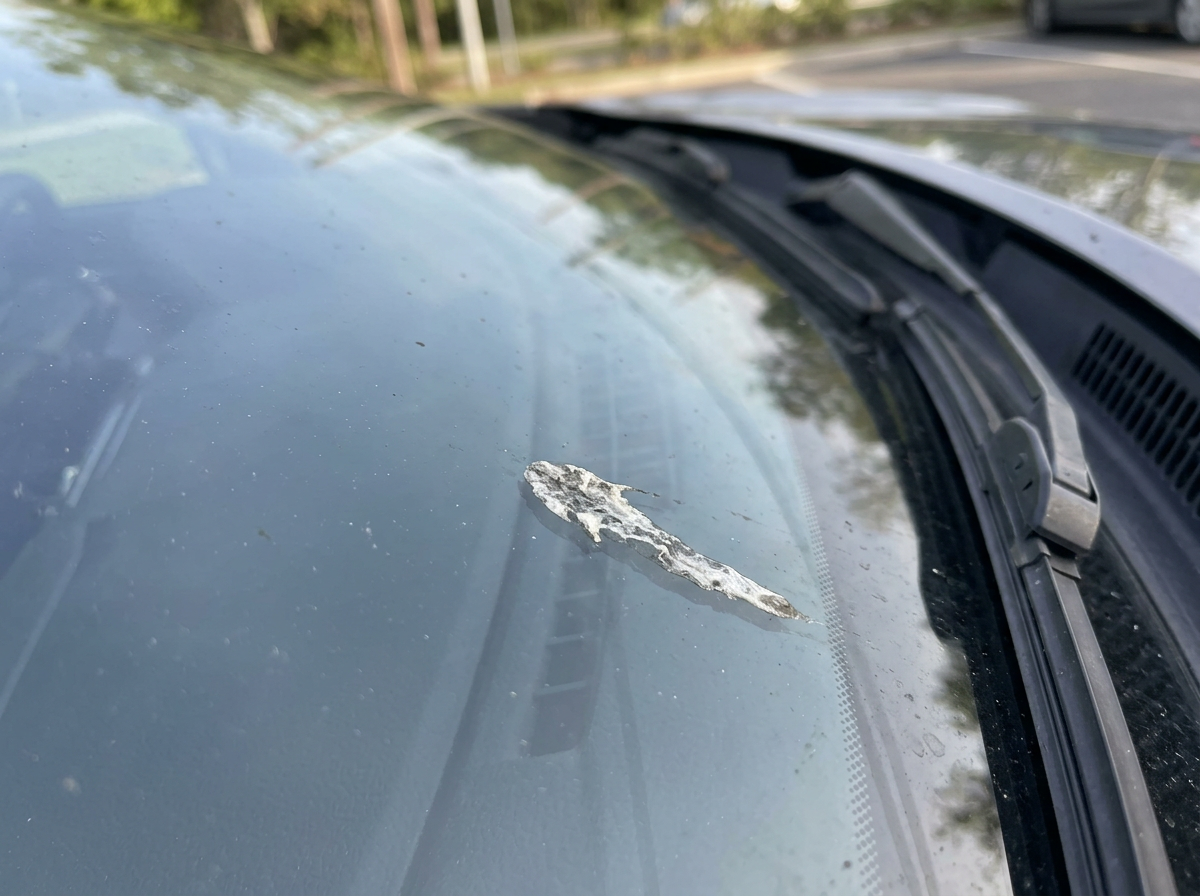
Glass handles the process similarly, but it is more forgiving. Hydrate and soften first, then remove with a microfiber or a dedicated glass cloth. For a dried, baked-on spot, a small amount of glass cleaner or even plain water with a dwell period usually loosens it. If there is a rough texture on the glass afterward, a glass-safe polish can help, but this is a higher-risk procedure and is worth consulting a professional for rather than DIY-ing aggressively.
For staining after the dropping is removed
If the area looks discolored after cleaning, try a paint-safe clay bar treatment or a light machine polish with a finishing compound. These can often restore color where the surface has not been etched through. If the texture itself has changed (you can feel the etch), a more aggressive cutting polish or professional paint correction is the next step.
Preventing repeat bird messes and timing your cleanup right
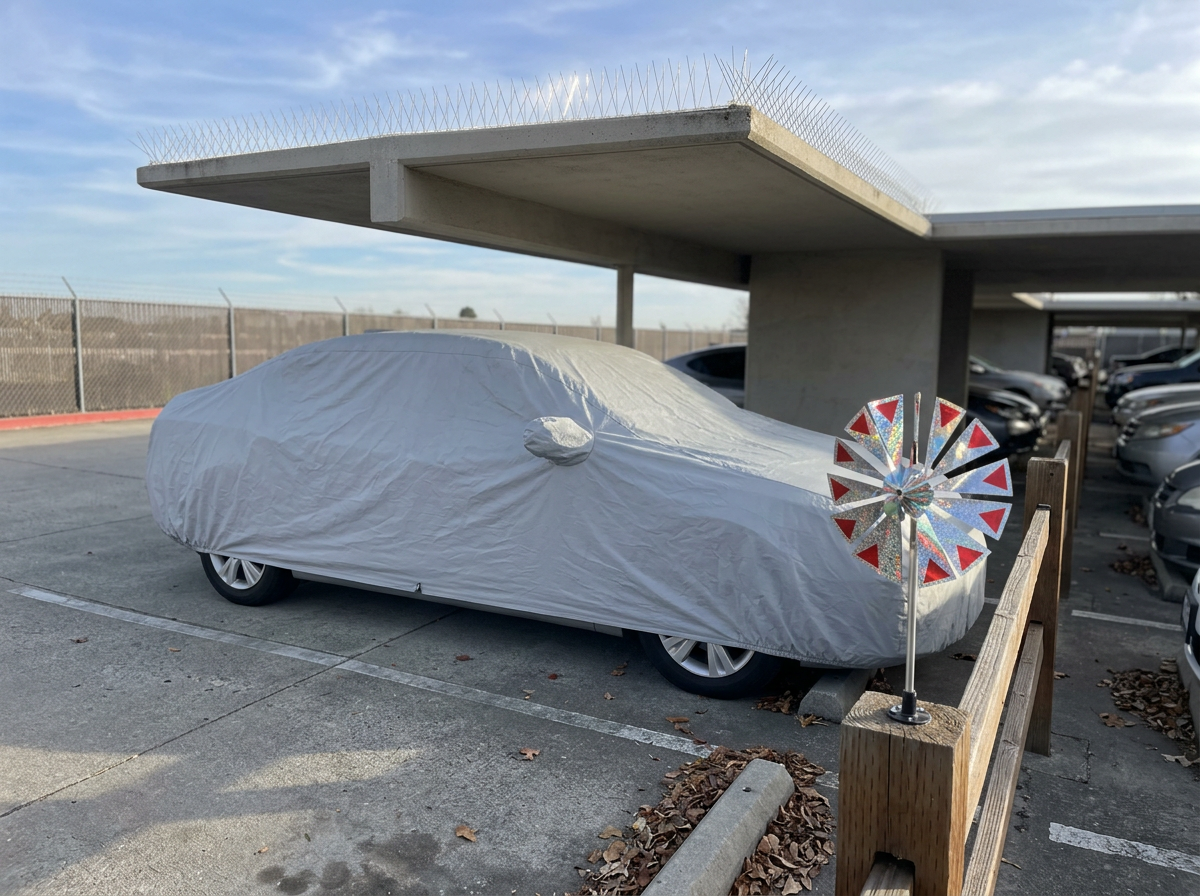
If your car keeps getting hit repeatedly, it is worth thinking about why that spot is attractive to birds. Birds select perches based on elevated vantage points, warmth, and a sense of safety. Morning is a particularly common time for birds to gather on high, exposed perches as they start their day. If your car parks under a wire, a tree branch, a ledge, or near any elevated roosting point, you are going to keep dealing with this until you change either the car's location or the birds' access.
- Move the car if possible: Even shifting a few feet out from under a tree or a wire can dramatically reduce hits.
- Use a car cover: A basic cover eliminates the problem and protects paint. It is the most effective single deterrent for parked vehicles.
- Physical deterrents near the perch: Bird spikes, reflective tape, or visual deterrents (predator silhouettes, holographic discs) on nearby ledges or wires can discourage birds from choosing that spot. These work best when installed before roosting behavior becomes established.
- Ceramic coating or paint protection film: These protective layers do not prevent droppings but they significantly reduce how quickly uric acid penetrates the clear coat, buying you more time before damage sets in.
- Wash or spot-clean regularly: The Nissan paint guide frames regular washing as the primary prevention tool for bird dropping damage. A weekly wash habit means droppings rarely sit long enough to etch.
Timing matters most in summer and in hot climates, where the combination of UV and heat dramatically speeds up etching. In cool, overcast conditions you have more time, but "more time" is relative: 48 hours is still the benchmark where risk becomes serious regardless of weather. The safe rule is same-day removal whenever you notice it. If you are at work and see it on your lunch break, deal with it then rather than waiting until evening. [bird droppings on head meaning](/bird-droppings-meaning/bird-droppings-on-head-meaning). bird poop on me meaning bird poop on left shoulder meaning
Whether you came here looking for a lucky omen or a paint-saving plan, the clearest takeaway is this: the symbolism is an old, widespread, and genuinely interesting folk tradition that you can engage with on your own terms. The paint damage is real, time-sensitive, and entirely preventable with fast action and a microfiber towel. Both things can be true at once, and you do not have to choose between them.
FAQ
How fast should I clean bird poop on my car to prevent paint etching?
Use the same-day rule whenever possible. If the dropping is warm from sun, aim to remove it within a few hours, not “later tonight,” because acidic etching can begin within roughly 24 to 48 hours in warm or sunny conditions.
Is it safe to use a pressure washer or car wash spray to remove bird droppings?
Usually, gentle hydration first is safer than high-pressure blasting. High pressure can force grit (seeds or sand) into the clear coat if you have not softened the material yet. After softening, use normal wash methods, not aggressive jet streams.
What’s the best way to remove a dried bird dropping without scratching?
Do not scrub dry. Hydrate or soften first (water or an appropriate remover), let it sit briefly so the material loosens, then wipe gently with clean microfiber. If grit remains, re-wet and repeat rather than increasing pressure.
Can bird poop damage wheels, chrome, or plastic trim the same way it damages clear coat?
It can. Acidic droppings can dull finishes and stain some coatings, and residue on textured plastics can etch or become hard to remove. Treat wheels and trim promptly, and avoid harsh solvents that may haze plastic or affect coatings.
If I clean it right away, will I always avoid permanent marks?
Not always. Prompt cleaning greatly reduces risk, but micro-etching can still happen if the dropping sat long enough to start reacting or if the area was already warm and exposed. Always inspect under angled sunlight after cleaning to confirm whether texture changed.
How can I tell the difference between surface staining and real etching?
Staining typically looks like discoloration but feels smooth. Etching changes the surface texture, you may be able to detect it with a fingernail glide or feel a slight roughness under angled light. Smooth but discolored often responds to clay or light polish.
Do bird droppings damage clear coat differently on dark cars vs light cars?
Heat differences can matter. Dark paint often absorbs more solar energy, which can accelerate chemical action when the car sits in sun. The same timing rule applies, but on hot days you should treat the situation as more urgent, especially on dark finishes.
What should I do if the area is still rough after cleaning?
If it feels etched, household washing will not fix it. A more aggressive correction (cutting polish) or professional paint correction may be needed. Avoid repeatedly polishing the same spot without assessing, because you can thin clear coat over time.
Are “bird dropping removers” safe for all paints and finishes?
They are typically formulated for automotive surfaces, but avoid using them on bare metal, unpainted plastic, or specialty coatings without checking the product guidance. Also, do not let the remover dry on the surface, and rinse or wipe per instructions.
Can bird poop damage glass permanently?
Glass is more forgiving, but dried organic residue can leave hazy spots if acids and contaminants linger. Hydrate and remove gently first. If there is still roughness or persistent haze, consider a glass-safe polish and be cautious with aggressive products that can streak or affect coatings.
Does the spiritual or “good luck” meaning change whether I should treat it as an emergency?
No. Even if you view it as a positive sign, the practical risk to paint is the same. Think of symbolism as personal meaning, not a delay factor, and follow the same immediate cleaning approach to protect the finish.
Why do birds keep choosing the same spot on my car?
They often return to predictable perches nearby, like rooflines, ledges, wire structures, or branches that offer a safe vantage. If the same area keeps getting targeted, changing parking location, moving under cover, or interrupting access to high perches usually works better than “deterrent sprays” alone.
What’s a common mistake people make after a bird poops on their car?
They wait too long or they scrub a dry spot. Both increase the chance of scratching from embedded grit and allow the acid reaction to start. The safer order is hydrate first, then remove gently, then inspect.
Next Article
Bird Pooping Good Luck: Meaning and Safe Clean-Up Tips
What bird pooping good luck means, plus safe, step by step cleanup for skin, eyes, and clothes to avoid infection.