Bird poaching means the illegal taking, killing, capturing, collecting, or trading of wild birds, their eggs, nests, or body parts, without legal authorization. It covers a wide range of acts: shooting a protected raptor, raiding a nest for eggs, trapping songbirds to sell as pets, or trafficking feathers for the collector market. If a wild bird is disturbed, harmed, taken, or sold outside the bounds of a specific legal permit, that is poaching, full stop.
Bird Poaching Meaning, Motives, Signs, and What to Do

Marcus Holloway
22 Mar 2026
What bird poaching actually means
The word "poaching" in general means taking something that belongs to someone else or is legally protected, without permission. Applied to birds, it covers a much broader set of actions than most people expect. Most folks picture someone shooting a bird out of a tree. In practice, poaching includes trapping, poisoning, collecting eggs from active nests, capturing live birds for the cage-bird trade, killing birds for their feathers or talons, and even possessing a protected bird (dead or alive) without documentation proving it was legally acquired.
In the United States, the Migratory Bird Treaty Act makes it unlawful to pursue, hunt, take, capture, kill, possess, sell, barter, purchase, ship, export, import, transport, or receive any migratory bird, or any part, nest, egg, or product made from them, unless specifically permitted by regulation. The language is deliberately broad. "Take" under the Bald and Golden Eagle Protection Act is defined to include pursuing, shooting, poisoning, wounding, killing, capturing, trapping, collecting, molesting, or disturbing. In England and Wales, the law protects all wild birds, their nests, and their eggs, and intentionally killing, injuring, or taking any wild bird is illegal unless carried out under a specific licence. The legal thread running through all of this is the same: without authorization, any interference with a wild bird can constitute poaching.
It is worth knowing that "possession" is a key concept in enforcement. UK prosecution guidance, for example, distinguishes between a bird found dead from natural causes and one that was unlawfully killed or taken. If you cannot prove how you came to possess a wild bird, its parts, or its eggs, authorities may treat that possession as evidence of poaching. This is why responsible birdwatchers and naturalists are careful about picking up feathers in certain jurisdictions, even innocently.
Why people do it
Bird poaching is not a single phenomenon driven by one motive. The people doing it range from organized criminal networks to opportunistic individuals who may not even know the law. Understanding why it happens helps you recognize it.
- Profit from the illegal wildlife trade: Rare parrots, birds of prey, and songbirds can fetch hundreds or thousands of dollars on the black market. Feathers from eagles or exotic species are sold to collectors, fashion markets, or for use in certain ceremonies.
- The pet and collector trade: There is consistent demand for wild-caught cage birds, particularly parrots and finches. Wild-caught birds are often seen (incorrectly) as hardier or more desirable than captive-bred birds.
- Trophy and sport killing: Some protected birds, especially raptors like eagles, hawks, and falcons, are targeted by people who view them as threats to livestock or game, or simply as trophies.
- Traditional and cultural use: Certain feathers, bones, and parts of birds carry ceremonial or medicinal significance in some cultures. Demand can drive illegal collection even when practitioners have genuine cultural beliefs driving it.
- Opportunism: Nests are disturbed, eggs taken, or birds killed by people who encounter an opportunity without planning it, or who do not realize the activity is illegal.
- Falconry and raptor collection: Wild-caught raptors are prized in some falconry communities, even in places where captive breeding has made wild collection unnecessary and illegal.
Birds hold deep symbolic weight across cultures, which is part of what makes poaching them feel especially charged. Birds are almost universally tied to themes of freedom, innocence, and the spirit. Seeing a wild bird trapped or killed carries a resonance that goes beyond the physical harm. That symbolic dimension is part of why communities rally around anti-poaching efforts in ways they might not for other wildlife crimes.
The legal consequences, in plain terms
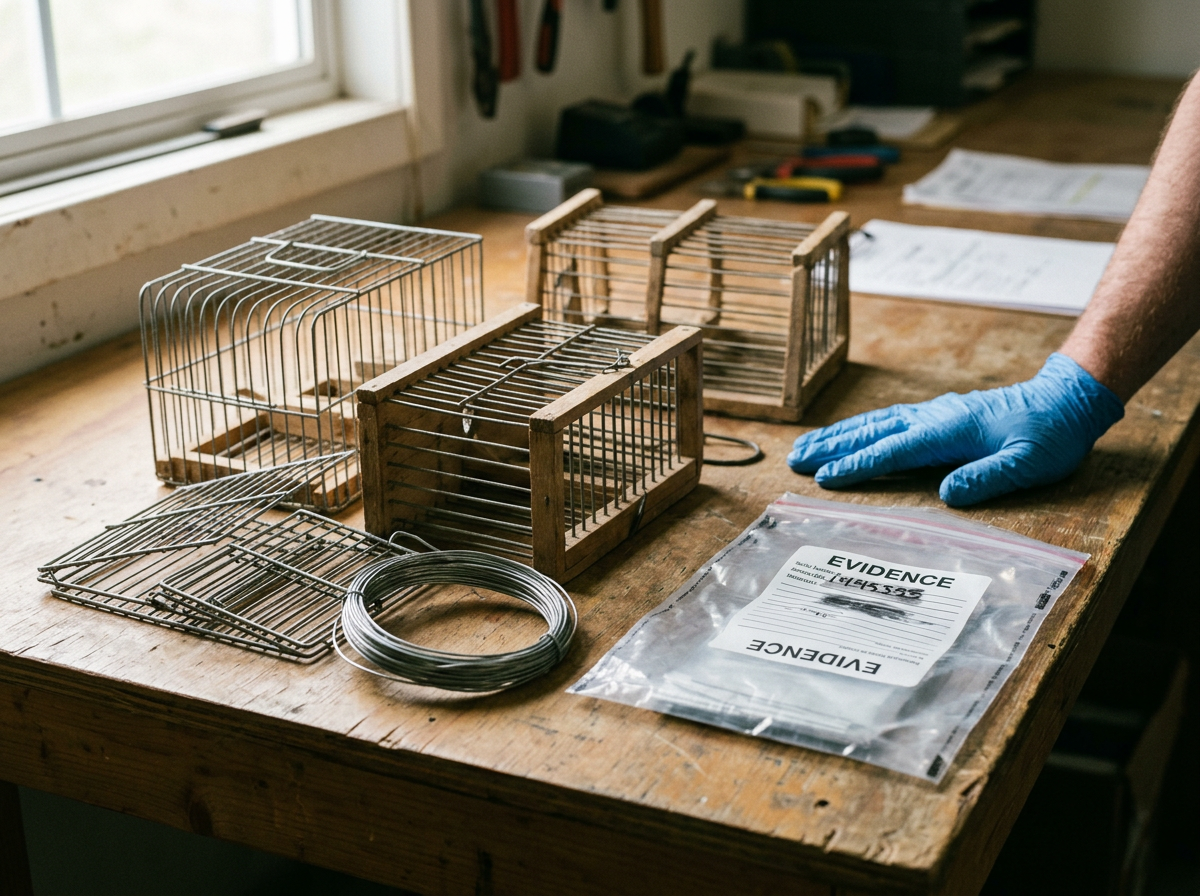
Penalties for bird poaching vary significantly by country, state, and species, but the range of consequences is serious across the board. At the lower end, illegal possession of a single protected feather in the U.S. can result in fines. At the upper end, trafficking in protected species (especially across international borders under CITES, the Convention on International Trade in Endangered Species) can result in felony charges, prison time, and asset forfeiture. In the UK, wildlife crime convictions can carry unlimited fines and custodial sentences.
The species involved matters enormously. Taking an egg from a common sparrow is a different legal situation from raiding the nest of a schedule 1 protected species or killing a bald eagle. The method also matters: using poison, traps, or firearms each carries its own additional legal exposure. And if commercial activity is involved, penalties escalate fast. The key point for most readers is this: the law treats bird poaching as a serious wildlife crime, not a minor infraction, and enforcement agencies take it seriously.
One practical thing to understand is that authorization matters even for well-intentioned actions. Rescuing an injured wild bird, for example, may require you to hand it to a licensed rehabilitator rather than keep it yourself. Possession without the right permit can technically constitute a violation, so if you ever find yourself in possession of a protected bird or its parts unexpectedly, contacting a wildlife authority promptly is both the legal and ethical move.
Signs that poaching may be happening
Recognizing poaching in the field is a genuine skill, and you do not need to be a wildlife officer to spot the warning signs. Here is what to look for:
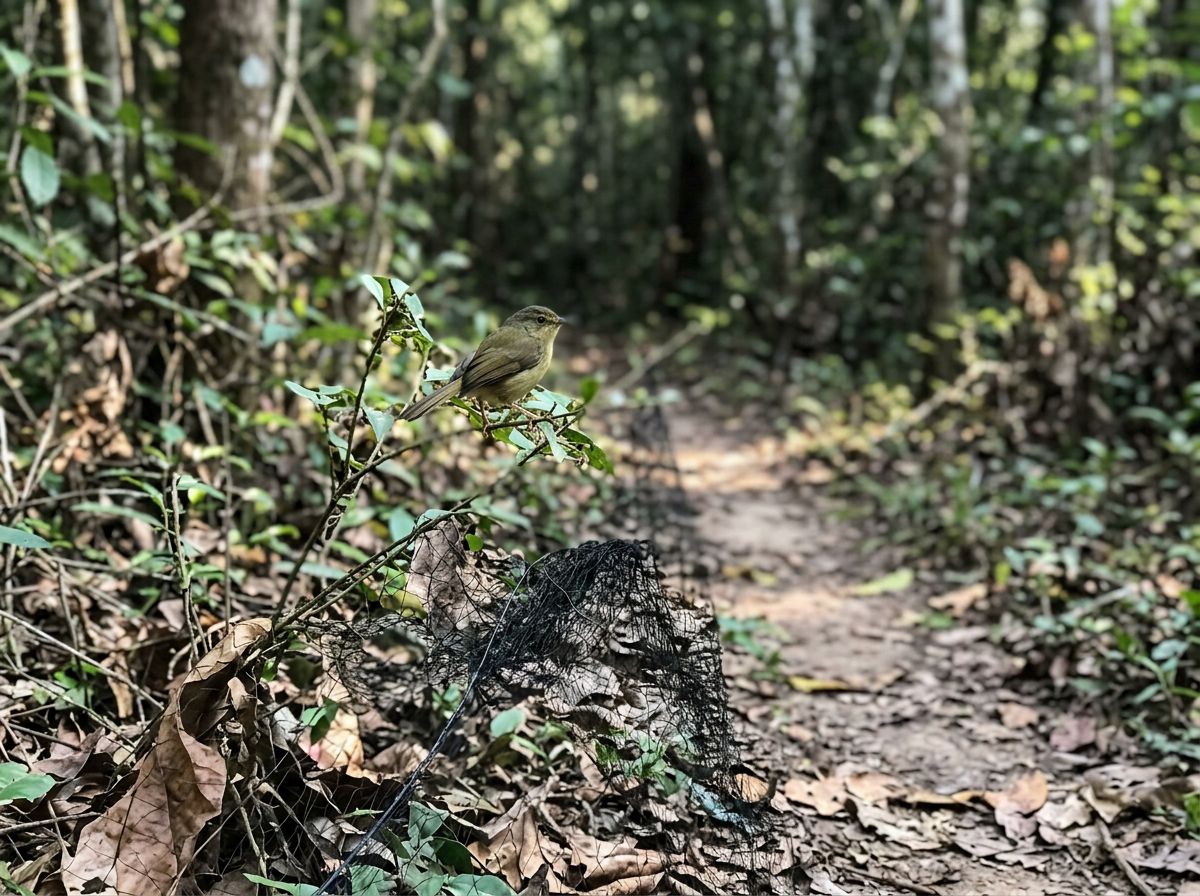
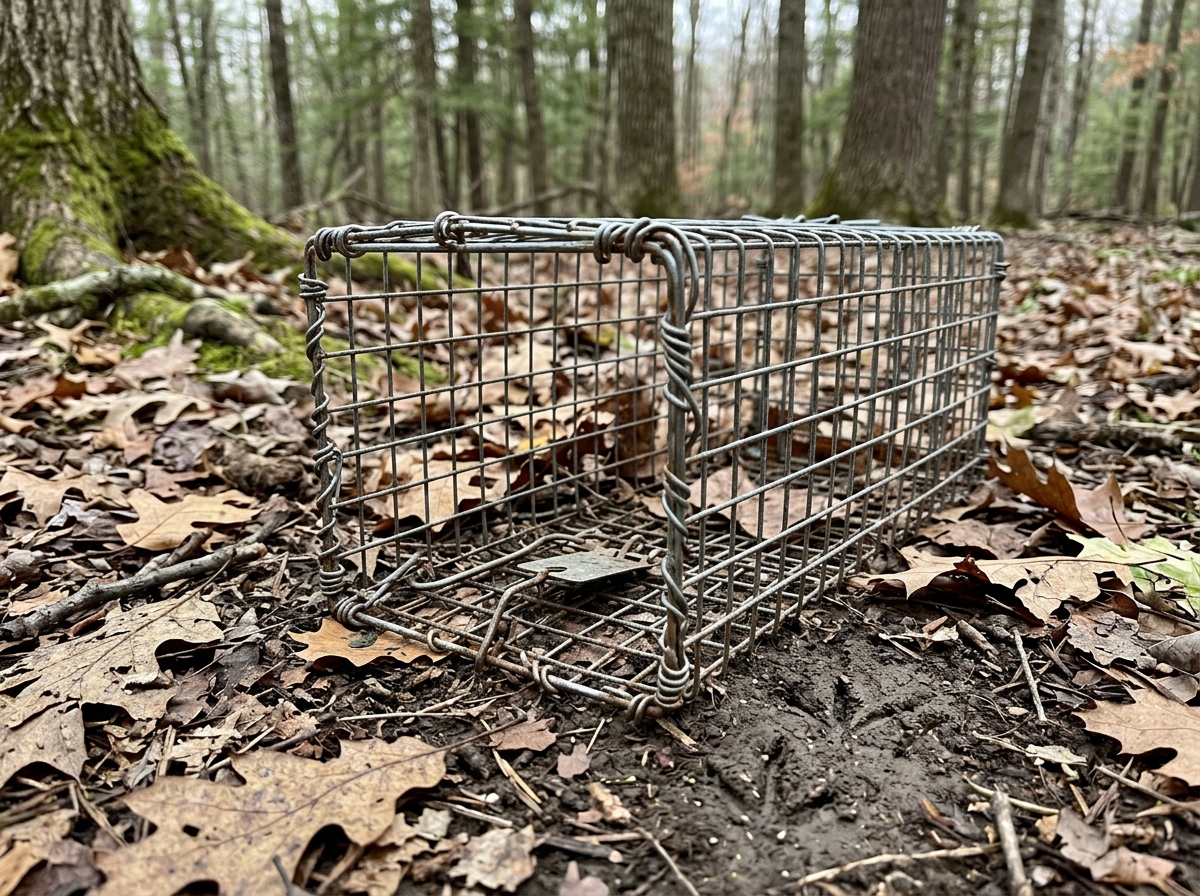
- Unattended traps, nets, or cages: Mist nets (fine mesh nets used to catch birds), wire traps, or cage traps left in areas frequented by birds, especially without any visible permit or research markings, are a major red flag.
- Disturbed nests or missing eggs: If you know a nest site and return to find it ransacked, eggs missing, or the nest torn from its position, that warrants attention, especially during breeding season.
- Dead birds with signs of human involvement: Multiple dead birds in one location, birds with obvious injuries like gunshot wounds, or birds showing signs of poisoning near farming or gamekeeping areas.
- Suspicious behavior near known nesting or roosting sites: People loitering at sites known for rare or protected birds, especially at unusual hours, carrying equipment like bags, boxes, or climbing gear without clear explanation.
- Unusual transport: Vehicles with stacked cages, unusual containers, or birds being moved in ways that seem secretive or inconsistent with legitimate bird transport (which typically involves clearly labeled, ventilated carriers).
- Online sales of wild-caught or unringed birds: Listings selling live birds described in ways that suggest wild origin, particularly species that are rarely or never captive-bred, or without proper documentation like closed rings or certificates.
- Feathers, parts, or eggs for sale: Market stalls or online listings offering feathers, talons, eggs, or other parts of protected species without documentation.
What to do if you suspect poaching (safety first)
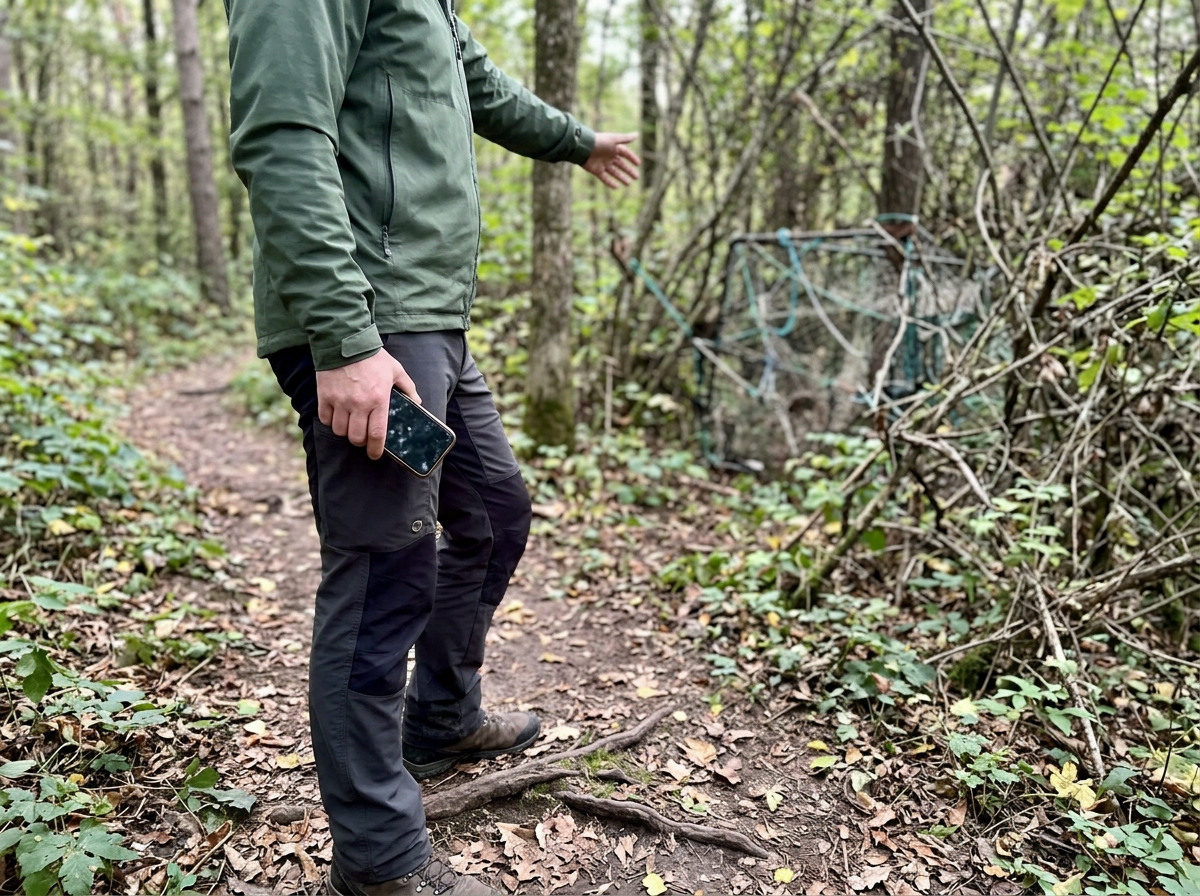
This is the practical core of what most people searching for this topic actually need. If you see something that looks like bird poaching, your instinct might be to intervene directly. Do not. Confronting poachers is dangerous and can compromise any investigation. Here is what to do instead:
- Stay safe and stay back: Do not approach, confront, or make yourself known to individuals you suspect of poaching. Keep a safe distance.
- Document what you can, without putting yourself at risk: Note the time, date, exact location (GPS coordinates if possible), description of people, vehicles (including license plates if you can safely see them), and equipment. Photographs or video from a safe distance are valuable, but do not take risks to get them.
- Do not disturb the scene: Avoid touching traps, nests, or birds. Disturbing the evidence can make prosecution harder.
- Contact your local wildlife enforcement authority: In the U.S., this is typically the U.S. Fish and Wildlife Service (USFWS) Office of Law Enforcement or your state's wildlife agency. In the UK, contact the police wildlife crime unit or the RSPB's Investigations team. Most countries have dedicated wildlife crime reporting lines.
- Use national or regional anti-poaching hotlines: In the U.S., the USFWS hotline for reporting wildlife crime is 1-844-397-8477. In the UK, you can contact the National Wildlife Crime Unit (NWCU) or report online via the RSPB.
- Report suspicious online sales: Many wildlife enforcement agencies accept reports of illegal online trade. The IFAW (International Fund for Animal Welfare) and TRAFFIC both track illegal wildlife trade online.
- Follow up if needed: If you reported and did not hear back, it is fine to follow up with the agency. Persistence matters in wildlife crime reporting.
The documentation you provide is often the most valuable thing you can contribute. Wildlife officers cannot be everywhere. A clear account of what you saw, when, and where, combined with any photographic evidence, can be exactly what investigators need to act.
How communities can help prevent it
Enforcement alone does not stop poaching. Community awareness and action are consistently cited by wildlife agencies as among the most effective tools available. Here are concrete things that individuals and groups can do:
- Join or support local bird monitoring groups: Regular, organized monitoring of known nesting sites, especially for rare or protected species, creates a consistent human presence that deters poaching and provides early detection.
- Participate in citizen science programs: Programs like eBird (Cornell Lab) and the RSPB's bird surveys build a database of bird presence that can highlight unusual absences or disturbances.
- Educate your local community: Many poaching incidents, particularly egg collecting and nest disturbance, happen out of ignorance rather than malice. Clear, non-preachy communication about what is and is not legal can reduce opportunistic incidents.
- Advocate for habitat protection: Birds that have robust, well-managed habitats are less concentrated in predictable, accessible spots, which makes large-scale trapping and collection harder.
- Support organizations that fund anti-poaching work: Groups like the RSPB, Audubon Society, BirdLife International, and the Peregrine Fund directly fund investigation, legal action, and lobbying for stronger protections.
- Report suspicious online activity: Wildlife trafficking has moved significantly online. Reporting suspicious listings to platforms and to wildlife authorities is something anyone with internet access can do.
- Know your local protected species: Familiarity with which birds in your area are protected makes you a better witness and a more credible reporter when you contact authorities.
Bird poaching persists because it often happens in remote areas, during off-hours, and involves species that most people cannot readily identify. Communities that pay attention, know their local birdlife, and take reporting seriously act as an informal network that makes poaching riskier and harder to carry out undetected. That is genuinely meaningful, and it does not require any special authority or equipment, just awareness and willingness to act.
The cultural and symbolic weight behind the crime
On a site like this one, it is worth pausing to acknowledge why bird poaching feels so viscerally wrong to so many people across cultures. Birds have been symbols of freedom, soul, and the sacred in traditions stretching back thousands of years. The idea of caging, killing, or trafficking a wild bird cuts against something deeply embedded in how humans relate to birds symbolically. That is not mysticism; it is cultural history. From the Egyptian ibis of Thoth to the eagle of Indigenous American traditions to the dove as a peace symbol in the Western canon, birds occupy a unique space in the human imagination as creatures that exist between earth and sky, between the ordinary and the transcendent.
Poaching strips that meaning. It reduces a living symbol to a commodity. Understanding bird poop on car meaning islam in this broader context, not just as a legal violation but as a cultural and moral rupture, helps explain why public outrage around wildlife crime tends to be particularly acute when birds are involved. bird poop on car meaning islam bird poop on left shoulder meaning It also helps explain why communities, including many with no formal conservation background, often respond powerfully to opportunities to protect birds in their area.
Quick reference: what to know and do
| Category | Key Point |
|---|---|
| Definition | Illegal taking, killing, capturing, possessing, or trading wild birds, eggs, nests, or parts without legal authorization |
| Core legal principle | Any interference with a protected wild bird without a specific permit is potentially illegal, including possession |
| Common motives | Profit, pet trade, trophies, traditional use, opportunism, falconry |
| Warning signs | Unattended traps/nets, disturbed nests, dead birds, suspicious behavior near nesting sites, unlabeled cages in transport |
| First response | Stay safe, document from a distance, do not confront, do not touch evidence |
| Who to call (U.S.) | USFWS Office of Law Enforcement: 1-844-397-8477; your state wildlife agency |
| Who to call (UK) | Police wildlife crime unit; RSPB Investigations; National Wildlife Crime Unit (NWCU) |
| Community action | Monitor nesting sites, participate in citizen science, report online listings, support conservation organizations |
FAQ
If I found a dead bird or feathers, how do I know whether it counts as bird poaching meaning legally?
In many places, “take” and “possess” are treated as separate legal issues. So even if someone says they found a dead bird, eggs, or feathers “by accident,” possession without proof of lawful sourcing can still be treated as evidence of poaching, especially for protected species.
What should I do if I suspect bird poaching is happening right now?
If you witness an active crime, prioritize safety and avoid interference. A practical approach is to note the exact location, time, number of people, vehicle description, and what you saw them handling, then report to the appropriate wildlife authority. Do not attempt to photograph from close range if it puts you in the same space as the suspects.
Does rescuing an injured wild bird ever accidentally become illegal bird poaching meaning?
Rescues can become violations if the bird is kept or handled beyond what local rules allow. A safer rule is to stabilize the bird for transport only (if permitted and safe), then contact a licensed wildlife rehabilitator or authority. Keeping the bird “temporarily” can still be illegal possession in some jurisdictions.
Is stealing eggs or disturbing a nest the same as bird poaching, even if no one shoots or traps a bird?
Yes. Laws often cover nests and eggs, so egg collection or nest disturbance can be treated as poaching even when no bird is killed. Also, some species have strict seasonal protections, so an action that seems minor outside breeding season may still be unlawful.
What documents or proof usually matter if someone ends up with bird parts and wonders if it is poaching?
Possession can be complicated by documentation rules. If you have an item you suspect may be protected (feathers, talons, taxidermy, live birds), check whether you can establish legal acquisition with paperwork. If you cannot, contacting wildlife authorities promptly is the safest next step.
Does letting my dog chase birds count as bird poaching meaning?
Off-leash incidents and collisions can be lawful, but the line moves if the intent or actions show interference (for example, luring birds into traps, feeding to attract them for capture, or using devices meant to capture). If a dog is used as part of a capture effort, that can change the legal picture.
If a bird or bird part is legal where I live, can it still become poaching when sold or shipped elsewhere?
For wildlife trade, the key triggers are species protection status and cross-border movement. Even if something is “common” in your area, exporting, importing, or selling protected parts can escalate exposure dramatically and may bring separate customs and wildlife enforcement issues.
What are common mistakes people make when reporting suspected bird poaching meaning?
Misidentification is a common mistake. If you cannot confidently identify the species, treat it as potentially protected and report what you observed rather than guessing. Wildlife officers often prefer specific facts (photos, calls, habitat, behavior) over assumptions.
What should I do if I suspect someone is keeping illegally captured wild birds in a cage?
If you see a person with cage birds, the immediate priority is to gather non-confrontational evidence and report. Trying to “free” birds yourself can be unsafe and can also create legal issues if the birds are protected or if you cannot document what happened to them. Report first, intervene only if there is an immediate life-threatening situation.
How can I document suspected bird poaching safely and effectively?
If you take a photo or video, avoid using it in a way that escalates conflict (for example, confronting on camera or publishing identifying details quickly). Focus on capturing the location, time, and actions, then report through appropriate channels. Preserving original files and timestamps can be helpful.
Next Article
Bird Poop on Car Meaning: Spiritual, Superstition, Cleanup Tips
Bird poop on car meaning: superstition vs spiritual symbolism plus safe cleanup tips to protect paint and check for dama